
Download at https://www.onepetro.org/ the papers that describe the research work that our Founder, Juan Carlos López, together with his colleagues, have carried out during three decades of professional practice.

Research
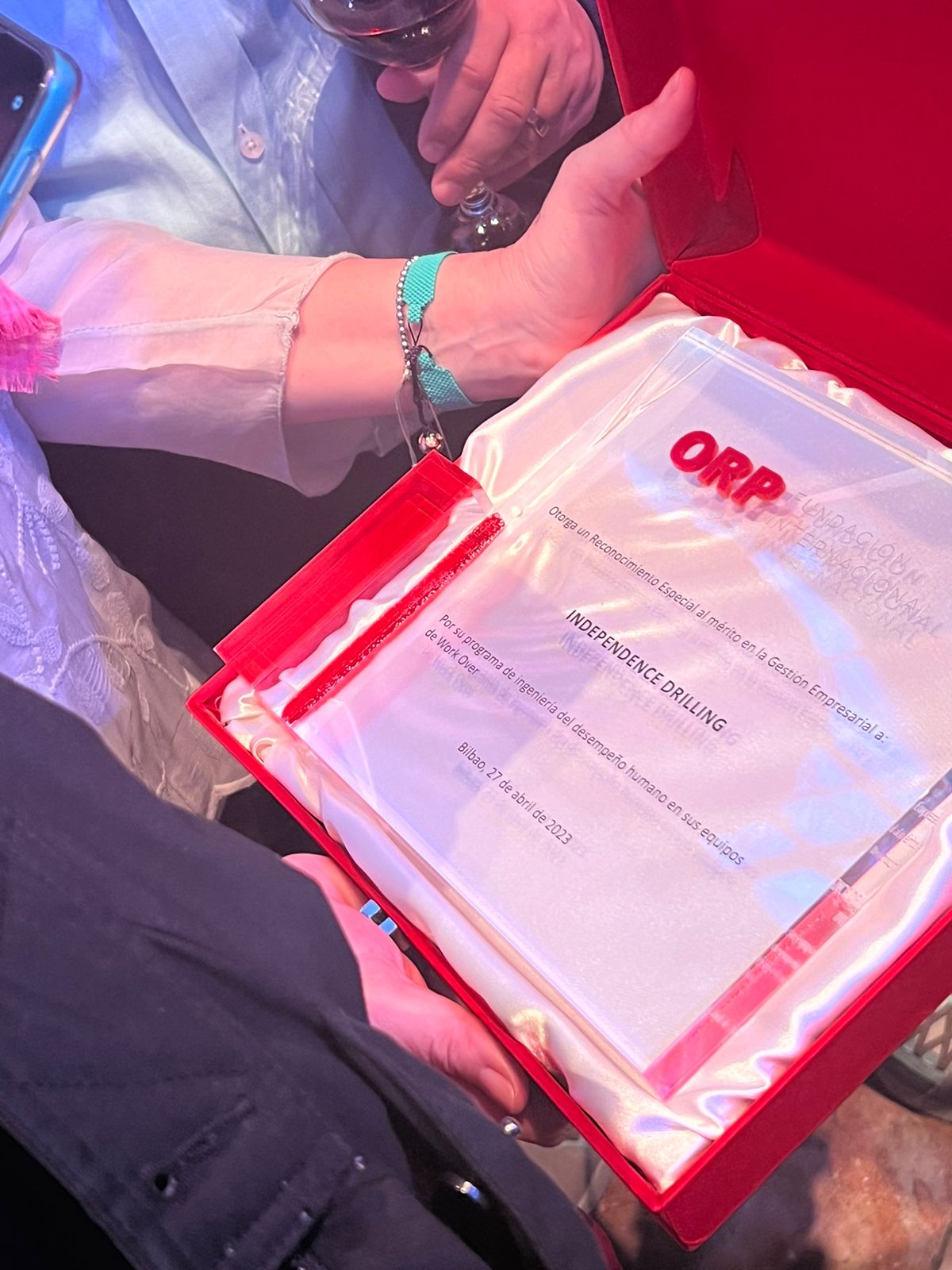
Implementación de la Ingeniería del Desempeño Humano en Operaciones de Work-over
Autores de Referencia: Monica Cristina Duran, Independence Drilling (mcduran@independence.com.co);
Juan Carlos López, Lopez Performance Solutions (jclopez@lopesolutions.com)
Patrocinadores: Maria Elena Arango, Independence Drilling; Pedro Ariza, Colmena Seguros
Autores: Fredy Aguilera, Colmena Seguros; Walter Friedl, Lopez Performance Solutions
Los autores utilizan la ciencia del comportamiento para maximizar el desempeño humano y eliminar incidentes de seguridad y operacionales a través de la metodología de la Ingeniería del Desempeño Humano y el acompañamiento a los lideres de la organización para fomentar un estilo de liderazgo transformacional.
Este documento describe la implementación de la Ingeniería del Desempeño Humano en las operaciones de work-over de la empresa con mayor numero de equipos en Colombia, incluyendo 21 taladros en cinco diferentes áreas geográficas, entre febrero del 2021 y diciembre del 2022. Se describen en detalle las etapas seguidas durante la implementación, incluyendo el proceso de identificación de los procesos que causan mayores pérdidas a la organización, el análisis de los procesos para identificar los comportamientos críticos, la medición de la línea base de adherencia comportamental, el proceso de intervención y el escalamiento del proceso a otras unidades operativas.
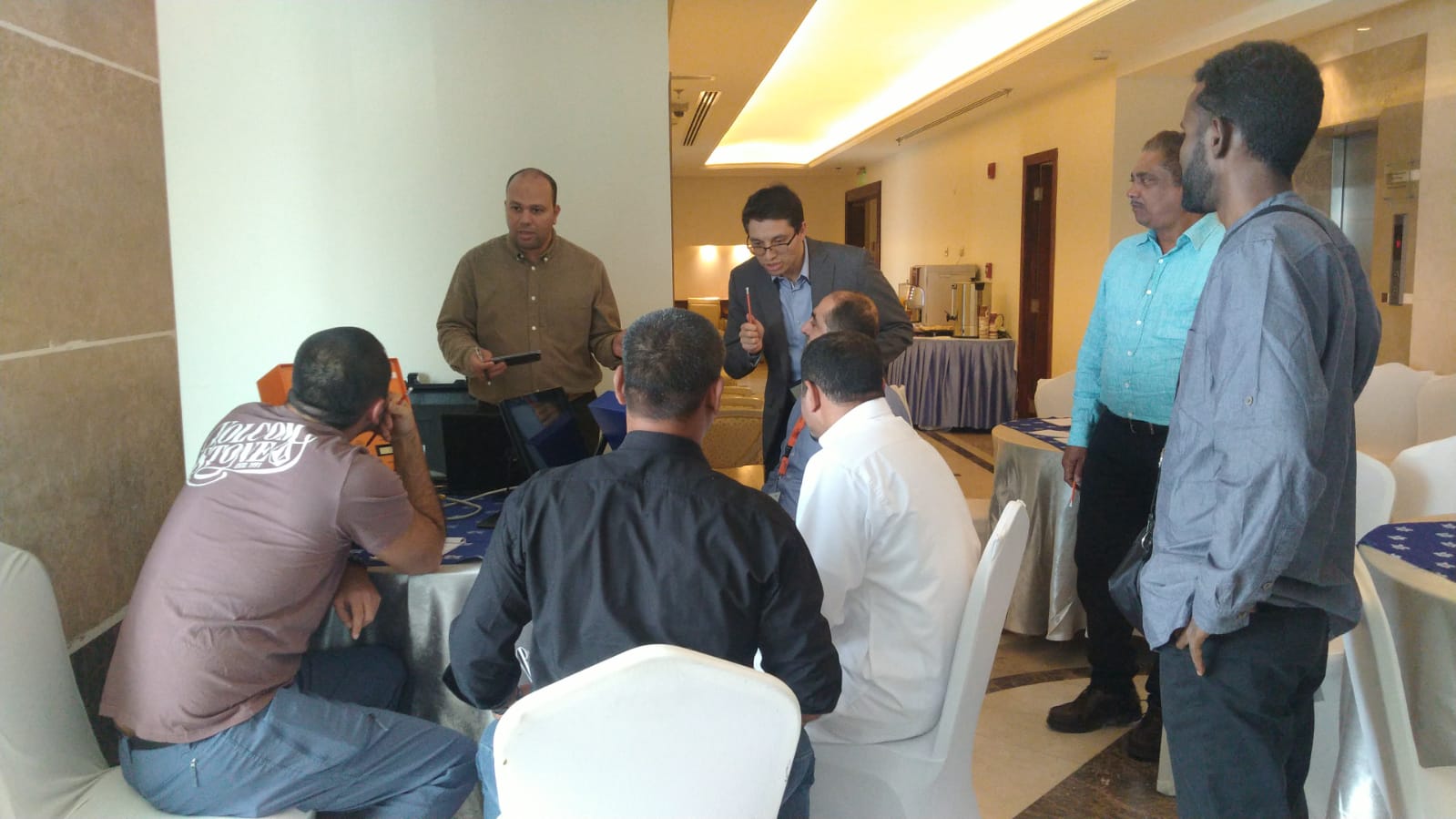
A disruptive approach to non-technical skills and situational awareness competencies
Reference Author: Juan Carlos López, Lopez Performance Solutions (jclopez@lopesolutions.com)
Sponsors: Ghassan Mirdad, Stephane Moynet, Arabian Drilling; Baruc Habacuc, Nabors Industries
Authors: Khaled Shehabeldeen, Arabian Drilling; Alvaro Villalobos, Andres Alvarado, Nabors Industries; Carlos Botero, Gabriel Miranda, Lopez Performance Solutions
Research has shown that lack of non-technical skills contributes to most safety incidents in high-risk industries. Situational awareness in the most influential non-technical skill. Authors developed a disruptive program to generate situational awareness competencies and improve employees’ non- technical skills. The process is called: Permanent Attention
The program combines best practices from high-risk industries and industrial psychology science to generate statistically significant improvements in situational awareness competencies through a sustainable and cost-effective approach. The paper shows real case applications from organizations where the program has generated significant improvement in the participants’ competency acquisition and retention

Using Behavior Science to Maximize Human Performance
Lopez, Juan Carlos, Lopez, Monica Alexandra, Friedl, Walter, Arango, Maria Elena, Duran, Monica Cristina, Shibani, Hamed Al, Allison, David, and Pierre Bordage. “Using Behavior Science to Maximize Human Performance.” Paper presented at the Abu Dhabi International Petroleum Exhibition & Conference, Abu Dhabi, UAE, November 2021. doi: https://doi.org/10.2118/207918-MS
Authors use behavior science to help organizations maximize human performance through a cost-effective and sustainable approach. Such approach is based on transformational leaders and employees’ engagement, so they embrace a humanized management system by conviction, not by imposition.
This paper shows how to use organizational psychology principles in real case applications, resulting in holistic business improvements, including financial, safety and service quality performance.
Managing Security in Turbulent Times: A Middle East Case Study
Langford, J., & Lopez, J. C. (2012, January 1). Managing Security in Turbulent Times: A Middle East Case Study. Society of Petroleum Engineers. doi:10.2118/152440-MS
Security is an on-going concern across the oil and gas industry. During turbulent times such as civil unrest, riots, states of emergency, demonstrations, protests or natural disasters, managing security poses additional risks that may lead to employee evacuations and disruption of business activities. This paper describes how an oilfield services company applied management commitment and leadership concepts to day-to-day operational and personnel security decisions during turbulent times across the Middle East region.
The paper describes how the company established a holistic approach to manage the additional risks associated with threat environments, taking into consideration the particularities of specific country, city and field operations. Clear priority has been given to protect employees, contractors and dependants, both nationals and expatriates.

Communicating HSE to a New Generation
Lopez, J. C. (2012, January 1). Communicating HSE to a New Generation. Society of Petroleum Engineers. doi:10.2118/152435-MS
Traditional means of communicating health, safety and environment (HSE) issues to a company workforce include alerts explaining accidents, stand-downs, magazines, celebrations, award ceremonies and HSE notice boards. The author values such tools, but believes their effectiveness can be limited, particularly in working environments that often involve employees of a wide diversity of cultures, languages and backgrounds.
The author also considers that companies would benefit from adapting their communication strategies to mechanisms such as blogs, interactive video clips, and games, which are routinely used by, and are popular with, new generations of employees. This paper describes initiatives implemented in an oilfield services company and the results, and concludes with proposed recommendations to improve the effectiveness of HSE communications to field employees.


Innovative System to Promote Safe Driving Behaviors: a Case Study from the Middle East.
Zidan, A. S., & Lopez, J. C. (2014, September 22). Innovative System to Promote Safe Driving Behaviors: a Case Study from the Middle East. Society of Petroleum Engineers. doi:10.2118/170380-MS
After successfully establishing a regional Journey Management Center (JMC), an oilfield services company implemented a driving points system that uses real-time data from driver monitoring systems in company vehicles. The system measures driving performance so that the JMC can quickly provided feedback to drivers and initiate appropriate driving safety actions.
The paper describes how the system shares features of driving point programs such as those used by driver licensing authorities in the United Kingdom and United Arab Emirates which demerit drivers as a consequence of road traffic offenses. The system developed by the company also includes recognition of drivers who consistently demonstrate safe behavior.

HSE for Youth-Reinforcing an HSE Culture to Employees, Families and Communities in the Oil and Gas Industry
Lopez, J. C., Barnier, M., Palacios, L., & Arce, L. M. (2010, January 1). HSE for Youth-Reinforcing an HSE Culture to Employees, Families and Communities in the Oil and Gas Industry. Society of Petroleum Engineers. doi:10.2118/126706-MS
An initiative has been developed by an oilfield services company to share its health, safety, and environment (HSE) knowledge and expertise with families and local communities, who in turn reinforce a HSE culture among employees, which helps make such a culture become a lifestyle habit for all.
The initiative, “HSE for Youth??, is a program designed to reach young people aged between 11 and 18. It focuses on seven themes: Injury Prevention, Road Safety, Personal Security, HIV/AIDS, Malaria, Water and Climate Change. Workshops are designed to be easy-to-implement and low cost, and are facilitated by volunteer employees, spouses and motivated people in the community. Participants include children of employees, clients, and members of local communities.
Developing and Implementing a Customized Standard to Manage Social and Environmental Risk in Project-Managed Assets
Dvorak, S., Gonzalez, J. A., Artola, R., Lopez, J. C., & Abrahams, N. (2016, April 11). Developing and Implementing a Customized Standard to Manage Social and Environmental Risk in Project-Managed Assets. Society of Petroleum Engineers. doi:10.2118/179257-MS
Project-managed assets present social and environmental impact management specifics that require a fit-for-context approach to risk management. On the one hand, most social and environmental management processes remain under the control and responsibility of the operator, as for traditional projects. On the other hand, the project managers typically have a greater presence in operational-related activities, which puts them in the front line in relation to communities and expectations.
This context can generate the need for a more extensive and aligned approach along the value chain than has been traditionally required. This paper addresses this type of scenario.An oilfield services company developed and implemented its own social and environmental management standard for co-managing partner projects under long-term agreements.

Physical Security in an Oilfield Services Company Management System in Latin America. Society of Petroleum Engineers
Lopez, J. C., Fox, C., Alaguna, N., & Marulanda, J. J. (2010, January 1). Physical Security in an Oilfield Services Company Management System in Latin America. Society of Petroleum Engineers. doi:10.2118/126707-MS
Security has become an increasingly important concern across the oil and gas industry. Operations in several countries in Latin America are affected by common criminality associated with organized and unorganized groups. On top of this, terrorism poses a high potential risk for oilfields situated in areas, such as Colombia, that are within the influence of guerrilla organizations.
This paper shares practical experience of how an oilfield services company fully integrated security into its management system in Colombia, which the company considers to be a high risk country from a security perspective.


Step Change in Driving Performance: A Case Study. Society of Petroleum Engineers
Lopez, J. C., & Zidan, A. S. (2012, January 1). Step Change in Driving Performance: A Case Study. Society of Petroleum Engineers. doi:10.2118/152438-MS
Land transport accidents and driving safety have been widely discussed in industry studies, articles, conferences and meetings. Despite significant investment in driving safety initiatives, an oilfield services company had reached a plateau in its indicators of the severity and number of its automotive accidents. Driving continues to be the activity with the highest associated risk in the company. The same challenge is experienced among the entire oil and gas industry.
The authors believe that preventive programs have, in general, a top-down approach in which drivers are a passive factor—often rather limited in their receipt of instruction and feedback on their driving skills. This paper describes a case study from the Middle East of a project applied to the operations of a global integrated oilfield services company, which aims to set a new level of driving safety performance through a vision: that drivers behave because they believe.

Improving HSE Performance by Humanizing the Management System
Lopez, J. C., Fox, C., Bordage, P., Villarreal, G., Vega, E., Mejia, A., … Moreno, F. (2010, January 1). Improving HSE Performance by Humanizing the Management System. Society of Petroleum Engineers. doi:10.2118/126728-MS
The oil and gas industry has reached a plateau in many of its health, safety, and environment (HSE) indicators. Statistics show that over the last five years the industry has not experienced a significant reduction in either the number or severity of accidents, despite the investment of considerable effort and money.
Influencing employee behavior has been identified as the key factor for resuming performance improvement, with several organizations adopting systems to tackle the challenge using behavior-based safety programs. In the opinion of the authors, most of these programs have had limited effectiveness due their being implemented in isolation, rather than integrated into an overall management system.
Reducing Accidents Through Implementing Behavior Change via Observations and Interventions
Camargo, M. A., Fox, C., Lopez, J. C., Maso, P., Sanchez Caldera, R. M., Moya, E. J. V., & Cardozo, T. (2010, January 1). Reducing Accidents Through Implementing Behavior Change via Observations and Interventions. Society of Petroleum Engineers. doi:10.2118/127170-MS
Safety culture has matured significantly in the oil and gas industry. Accident rates have declined substantially in recent decades and two important step change improvements can be observed. The first relates to the introduction of basic safety controls, the second to the development of more complex management systems. The oil and gas industry and the health and safety community believe that the next step change can be achieved through behavior-based safety (BBS).
While BBS is a long-established concept, its implementation as a discipline has been limited. Many companies have found that long-lasting behavioral change that reduces accidents is not easy to accomplish. Investigations continue to show that most accidents are associated with unsafe acts.

Integrated Implementation of a Management System in Qatar: An Innovative Approach Towards a Sustainable Performance Excellence
Lopez, J. C., Lafargue, P., Gaafar, A., Al-Sheibani, H. S., & Kurinsky, J. (2008, January 1). Integrated Implementation of a Management System in Qatar: An Innovative Approach Towards a Sustainable Performance Excellence. Society of Petroleum Engineers. doi:10.2118/111814-MS
The authors believe in a basic loss control principle: root causes of health, safety and environmental accidents are the same root causes of service quality nonconformities. The authors also believe that a mature management system, based on strong leadership and a bottom-up approach, is the way to achieve consistent and long-term performance improvement.
This paper explains a practical example of how an oilfield services company used a management system to deliver services while achieving the long-term quality, health, safety and environmental performance expected by Corporate management and Customers.


Issues and Challenges Surrounding Evacuation of Employees and Families at Times of Trouble
McTague, Tracey , Richards, Catherine , and Juan Carlos López. “Issues and Challenges Surrounding Evacuation of Employees and Families at Times of Trouble.” Paper presented at the International Conference on Health, Safety and Environment in Oil and Gas Exploration and Production, Perth, Australia, September 2012. doi: https://doi.org/10.2118/157454-MS
Emergency management planning has matured in the oil and gas industry over the last 30 years. As part of such planning, essential personnel—or employees who stay on the job when everyone else is leaving—perform vital tasks to mitigate risks related to human security, loss of assets, and damage to the environment.
This paper defines the specific problems related to maintaining business continuity while dealing with the human issue of moving families of employees out of volatile yet sensitive security zones.

Applying Behavior Engineering to Procedural Adherence
Lopez, J. C., Jeffries, J., Gonzalez, J., Capote, W., Martinez, L., Pazmino, K., … Houmanfar, R. (2020, July 20). Applying Behavior Engineering to Procedural Adherence. Society of Petroleum Engineers. doi:10.2118/199396-MSS
Research shows that human factors play a large part in incident prevention; operational discipline being an important contributing factor. An oilfield services company has developed an innovative methodology to apply the principles of behavioral science to improve procedural adherence.
The methodology considers the environment in which people are working, allows for changes to that environment, systematically measures expected behaviors, and gives soon and certain feedback to employees to increase adherence to company procedures to reduce losses and improve operational efficiency. Positive results have been obtained after six years of application to several critical processes.
Driving Risk-Based Improvement Plan (Beyond Traditional Approaches)
Lopez, J. C., Tate, D., & Lane, K. (2006, January 1). Driving Risk-Based Improvement Plan (Beyond Traditional Approaches). Society of Petroleum Engineers. doi:10.2118/98523-MS
This paper explains how an oilfield services company developed a site site-specific, risk-based improvement plan for the activity of driving, applying both the traditional control measures and innovative local initiatives while taking into account behavioral factors and operational needs. It also shows the excellent results of the plan after more than one year of implementation.
